Luxury Travel Trends 2026: What High-End Travelers Really Want
This blog post explores the top luxury travel trends shaping 2026 and what high-end travelers are truly prioritizing as they seek richer, smarter, and more transformative ways to explore the world.

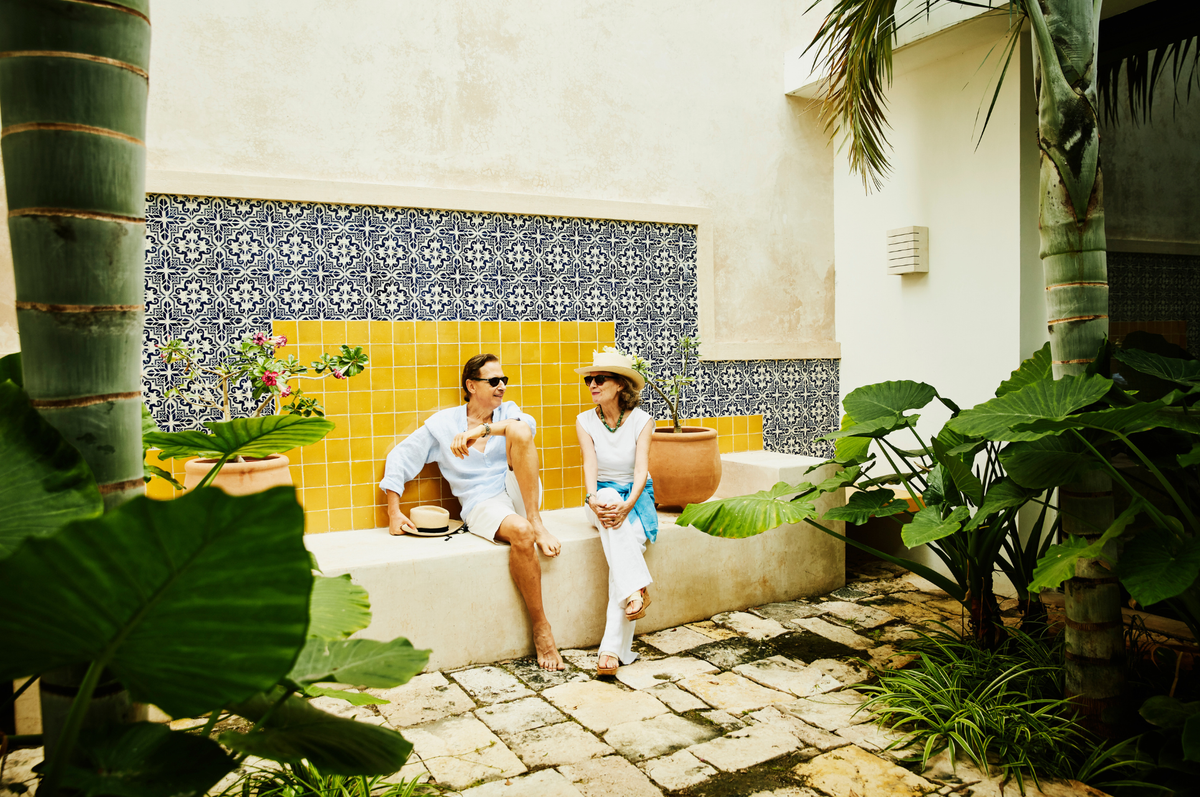
Luxury travel in 2026 is no longer defined solely by five-star hotels, private jets, or exotic destinations. Today’s high-end travelers are seeking something far more nuanced: experiences that feel personal, meaningful, and seamlessly effortless. As global travel continues to evolve, luxury is being redefined by individuality, sustainability, and access.
The expectations of affluent travelers are rising in new directions. Exclusivity still matters, but it now comes paired with authenticity, cultural depth, and emotional resonance.
This blog post explores the top luxury travel trends shaping 2026 and what high-end travelers are truly prioritizing as they seek richer, smarter, and more transformative ways to explore the world.
1. Home-based hospitality
One of the most emerging luxury tourism trends is the rise of home-based hospitality. As luxury travel continues to evolve, travelers are rethinking where they stay, not just where they go.
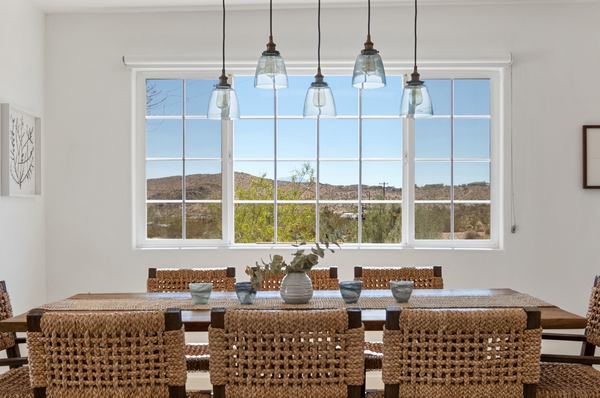
Luxury homes offer something many traditional hotels and resorts struggle to replicate. This includes space, privacy, flexibility, and a stronger sense of belonging. Rather than feeling like visitors, guests can live like locals while maintaining high standards of comfort.
Home swapping through platforms such as Home Exchange Collection is helping make this style of travel more accessible. It allows travelers to swap their homes with another member, gaining access to residences that offer the comfort, character, and functionality of a lived-in home rather than a temporary accommodation.
Instead of checking into a hotel, they can settle into a neighborhood, shop at local markets, cook in a fully equipped kitchen, and experience a destination from a resident's perspective. For luxury travelers, the appeal lies not only in the space and privacy these homes provide, but also in the opportunity to enjoy a more authentic connection with a place and its community.
Also read: Best Home Exchange Websites Compared: Why HomeExchange Collection Stands Apart.
2. Privacy-first travel
One of the most significant luxury travel trends shaping 2026 is the growing preference for privacy-first travel. For years, luxury was defined by visibility, such as iconic hotels, VIP lounges, and high-profile resorts. Today, however, luxury travelers are increasingly seeking experiences that offer discretion, space, and control.
This shift is being driven by several key drivers, including overcrowding in top destinations, concerns around safety, and a desire for more meaningful experiences. High-net-worth travelers are choosing private residences, exclusive villas, and members-only communities over traditional hospitality models.
The appeal is that privacy creates freedom. Rather than sharing amenities with hundreds of guests, today's luxury traveler wants environments that feel personal, quiet, and tailored to their needs. This desire for exclusive access is helping reshape the luxury segment and influencing how brands across the travel industry approach premium travel experiences.
3. Wellness-first luxury travel

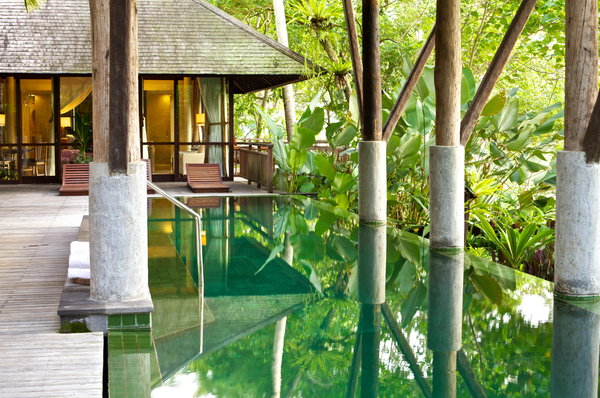
Wellness remains one of the strongest forces shaping 2026 luxury travel. Luxury travelers are increasingly prioritizing physical health, mental clarity, emotional well-being, and longevity.
The modern wellness movement extends far beyond spa treatments. Travelers are seeking immersive programs focused on sleep optimization, nutrition, mindfulness, fitness, and personal development. This is driving demand for wellness retreats, wellness escapes, holistic programs, and health-focused travel experiences.
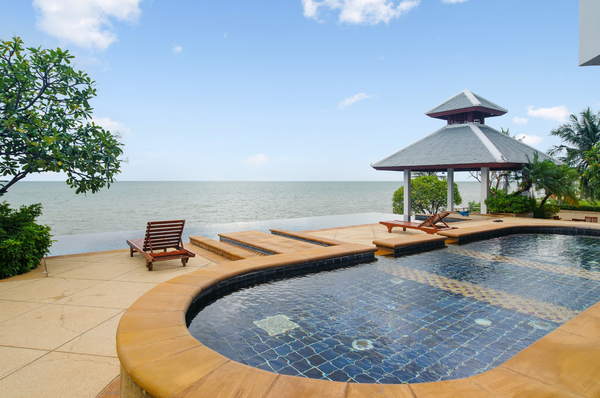
Even when visiting beaches in Thailand or exploring nature in remote regions, the ultimate luxury for many is returning home feeling healthier, more energized, and more fulfilled than when the trip began.
Also read: How to Design a Private Wellness Retreat with Saunas, Gyms, and Meditation Spaces
4. Slow travel
Another defining trend in luxury travel 2026 is the rise of slow-travel luxury. Instead of rushing through multiple cities on tightly packed itineraries, travelers are extending their stays and exploring destinations at their own pace.
This shift reflects a broader change in consumer values. Luxury travelers are placing greater emphasis on connection, cultural immersion, and quality over quantity. Rather than checking off attractions, they want time to understand a place, build relationships, and experience everyday life.
Industry reports show increased demand for longer stays across Europe, Asia, and North America as affluent travelers prioritize depth over distance. Travelers increasingly view time itself as a luxury commodity, resulting in a travel experience that feels more restorative, authentic, and rewarding.
However, longer stays also entail significantly higher accommodation costs when staying at traditional hotels or resorts, especially in high-demand destinations. Home exchange offers a compelling alternative for this style of travel. By staying in another member’s home through an exchange, travelers can extend their trips without the escalating nightly rates typically associated with long stays. This makes slow travel more accessible, allowing travelers to invest more of their budget into experiences, dining, and cultural exploration rather than accommodation.
5. Sustainable and regenerative luxury
Sustainable luxury travel allows travelers to enjoy world-class experiences while contributing positively to the places they explore.
Luxury travelers today are asking more questions about the impact of their journeys. They want to know how destinations are protecting local ecosystems, supporting communities, and preserving cultural heritage.
Rather than focusing solely on reducing harm, many luxury brands are embracing regenerative tourism models designed to create positive outcomes for destinations. This includes conservation initiatives, community-led experiences, and environmentally responsible hospitality practices.
Home exchange also aligns with this shift toward more sustainable luxury travel. By staying in existing homes rather than hotels or purpose-built tourist accommodations, travelers can often reduce the environmental impact associated with traditional hospitality while experiencing destinations more like locals.
As a certified B Corp, HomeExchange Collection promotes a travel model that helps support thriving residential communities by encouraging exchanges between members rather than the purchase of properties solely for short-term rentals. This approach can help combat the rise of "ghost neighborhoods" in popular destinations, where homes remain vacant for much of the year.
Also read: Eco-Friendly Luxury Travel Destinations You Can Reach Through HomeExchange Collection.
6. Group travel renaissance
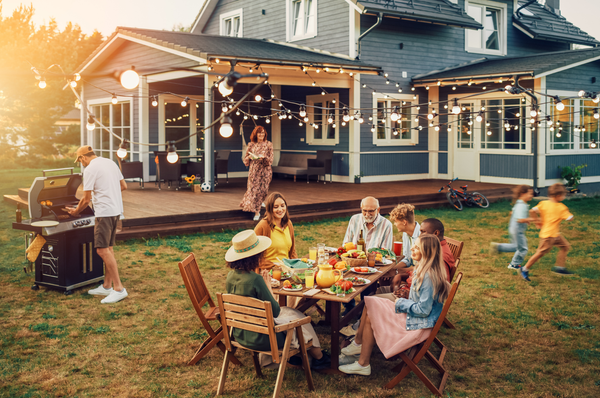
Luxury travel is becoming more collective. Recent years have seen a rise in multi-generational trips, reunion travel, and friend-group getaways. Travelers are prioritizing shared experiences with loved ones over solo travel.
This trend is creating increased demand for larger properties that accommodate several individuals while still offering privacy and comfort. Large residences, private estates, and luxury homes are becoming preferred options because they create space for togetherness without sacrificing personal freedom.
Home exchange accommodations naturally support group travel. Unlike traditional hotel stays, members gain access to real homes, often featuring several bedrooms, generous common areas, and amenities suited to families and groups. This allows travelers to stay together under one roof, creating opportunities for shared experiences without sacrificing comfort, privacy, or personal space.
7. Experience over destination tourism

One of the most influential travel trends of the decade is the shift from destination-led planning to experience-led journeys.
Luxury travelers are no longer choosing destinations first. Instead, they begin with the experiences they want to have and then select locations that can deliver them. What matters most is not the destination itself but the opportunity to engage with experiences that resonate on a personal level, such as wellness escapes, culinary exploration, cultural immersion, adventure, or access to the northern lights.
As a result of this experiential travel shift, lesser-known locations are benefiting from rising demand, while some traditional top destinations face increasing competition from emerging alternatives.
8. Bleisure 2.0: Work-life luxury integration
Rather than viewing work and leisure as separate activities, modern travelers are integrating them into a single, more flexible journey. Luxury travelers are combining professional commitments with leisure activities and designing schedules that allow them to move fluidly between productivity and relaxation.
This new wave of bleisure travel is creating demand for accommodations that support both work and lifestyle needs. Reliable connectivity, private workspaces, wellness amenities, and residential-style environments are becoming essential features.
Home-based accommodations are particularly well suited to this shift. With home exchange stays, travelers gain access to real homes that often include dedicated home offices or workspaces. The result is a more comfortable environment for balancing productivity and leisure.
Also read: 9 Luxury Events in Europe Worth Traveling For This Summer (2026).
Takeaway: Redefine luxurious travels with home exchange
Across nearly all luxury travel trends, travelers want experiences that feel personal, meaningful, and deeply connected to their lifestyles.
This shift helps explain the growing appeal of curated home-based hospitality models. As luxury travelers seek longer stays, greater privacy, cultural immersion, and the freedom to travel at their own pace, premium home exchange platforms are becoming increasingly aligned with the future of luxury travel.
The concept is simple. Members exchange homes with one another, allowing them to stay in real residences around the world rather than booking conventional hotels or vacation accommodations. This creates opportunities to experience destinations more authentically while enjoying the comforts of home (such as spacious living areas, fully equipped kitchens, and private outdoor spaces).
HomeExchange Collection is the most robust home-swap platform. You gain access to more than 10,000 luxury homes with 550,000 homes available through our broader HomeExchange network. This gives members access to exceptional accommodations across a wide range of destinations.
If you're looking to align your future journeys with the latest luxury travel trends, explore HomeExchange Collection and discover how home exchange can transform the way you travel.
FAQs
These are concise answers to some of the most commonly asked questions about luxury travel trends in 2026:
What are the 5 C's of top luxury travel trends?
The 5 C's of luxury travel are:
- Comfort - Everything feels effortless
- Convenience - Everything is designed to save time and reduce stress
- Customization - Experiences are tailored to the traveler’s personal interests and preferences
- Connection - Traveler has meaningful engagement with destinations and people
- Care - Concierge-level service
In practice, travel advisors often play a key role in shaping these elements by designing highly personalized journeys. They help craft itineraries that reflect each traveler’s lifestyle and preferences.
What destinations are trending for luxury travelers in 2026?
In 2026, luxury travel trends focus on exclusive, experience-rich destinations like the Maldives and Italy’s Amalfi Coast, ultra-premium city stays in Tokyo and Dubai, and high-end desert escapes in AlUla.
Luxury safaris in Kenya and Tanzania are also booming, along with private wellness retreats in places like Greece, Bhutan, and South Korea, where interest in high-end wellness and cultural immersion continues to grow. Premium cruise lines are also seeing renewed demand as travelers look for seamless, multi-destination luxury experiences.
How is wellness influencing luxury travel searches?
Travelers are increasingly seeking wellness-focused experiences, including longevity programs, mindfulness escapes, and luxury trips designed to improve physical and mental well-being. This reflects a growing desire for travel that supports long-term health rather than short-term indulgence. As a result, the sector is experiencing strong growth.
What does “quiet luxury travel” mean?
Quiet luxury travel emphasizes privacy, authenticity, and understated elegance over flashy displays of wealth. It focuses on exclusive, meaningful experiences rather than status-driven travel for both group and solo travelers.