Eco-Friendly Luxury Travel Destinations You Can Reach Through HomeExchange Collection
In this guide, we explore some of the world’s most inspiring eco-friendly luxury destinations, places where conservation, culture, and unforgettable travel experiences come together.


Travel is one of the most powerful ways to connect with the world around us. As global tourism grows, so does the responsibility to travel more thoughtfully.
Across the world, certain destinations are leading the way in sustainable tourism, protecting natural ecosystems, investing in renewable energy, and supporting local communities.
For travelers seeking both luxury and sustainability, these destinations offer the perfect balance of sustainable luxury travel, breathtaking scenery, meaningful experiences, and accommodations designed with the planet in mind.
Many can even be experienced through HomeExchange Collection, allowing you to stay in beautiful homes while exploring destinations like a local.
In this guide, we explore some of the world’s most inspiring eco-friendly luxury destinations, places where conservation, culture, and unforgettable travel experiences come together.
1. Bhutan

Bhutan is one of the few carbon-negative countries in the world, meaning its forests absorb more carbon than the nation produces.
Protecting the natural environment is even written into the country’s constitution, which requires that at least 60 percent of the land remain forested.
Tourism here is carefully managed through controlled visitor numbers and regulated travel programs, ensuring that tourism revenue supports conservation efforts, protects cultural heritage, and benefits local communities.
For travelers seeking eco-luxury, Bhutan offers experiences that feel both meaningful and indulgent.
Visitors can hike through wildflower-filled valleys, explore ancient temples such as the famous Tiger’s Nest monastery, or practice traditional forest bathing along peaceful Himalayan trails lined with prayer flags.
The country also offers elegant luxury accommodations and sustainable eco-lodge experiences that blend into the surrounding landscape while adhering to thoughtful eco-friendly practices.
Beyond its breathtaking scenery, Bhutan’s philosophy sets it apart.
The country famously measures progress through Gross National Happiness, prioritizing well-being, environmental protection, and cultural preservation over economic growth alone.
2. Indonesia

With more than 17,000 islands, lush rainforests, and some of the richest marine ecosystems on Earth, Indonesia is emerging as a standout destination for eco-friendly luxury escapes.
Across the archipelago, conservation initiatives and community-based tourism are helping protect natural landscapes while offering travelers meaningful ways to experience the country’s beauty.
Indonesia is home to several protected national parks and marine reserves, including Komodo National Park and vast rainforest habitats in Sumatra and Borneo, where conservation programs help safeguard endangered species such as orangutans and Komodo dragons.
Coral reefs throughout the country are also protected through marine conservation efforts that support sustainable diving and snorkeling experiences.
Sustainability is increasingly shaping Indonesia’s luxury travel scene.
In places like Bali, eco-conscious resorts integrate renewable energy (powered by solar panels), natural building materials, and locally sourced food while supporting surrounding communities.
Wellness retreats, regenerative farms, and cultural experiences invite travelers to connect more deeply with both nature and local traditions.
What makes Indonesia especially compelling is the balance between adventure and mindfulness.
From enjoying the island’s white-sand beaches or sailing through protected island waters to exploring rainforest landscapes or visiting traditional villages, you can have extraordinary experiences while supporting responsible ecotourism initiatives.
You can explore Indonesia through HomeExchange Collection, staying in exceptional private homes while discovering the country’s natural beauty more sustainably.
3. New Zealand

With its dramatic fjords, ancient rainforests, and snow-capped mountains, New Zealand is widely regarded as one of the world’s leading destinations for eco-friendly travel.
Protecting the country’s extraordinary natural heritage is central to its tourism philosophy, with strong conservation policies and community-led initiatives helping preserve its landscapes and wildlife.
New Zealand is home to unique ecosystems and rare species found nowhere else on Earth, including the iconic kiwi bird and Hector’s dolphins. To protect these fragile habitats, many parts of the country are carefully managed through national parks, marine reserves, and conservation programs that promote responsible tourism.
Eco-conscious travel is deeply woven into the Kiwi experience. Visitors can hike through pristine rainforests, explore glacier-carved valleys, cruise the spectacular fjords of Fiordland National Park, or learn about the deep cultural connection between the land and Māori traditions.
Sustainability also shapes the country’s tourism infrastructure. Many operators focus on low-impact experiences such as wildlife conservation tours, electric boat cruises, and cycling trails that encourage slower, more mindful exploration.
If you are seeking both adventure and responsibility, New Zealand offers a destination where breathtaking natural beauty is matched by a strong national commitment to protecting it for future generations.
4. Ecuador
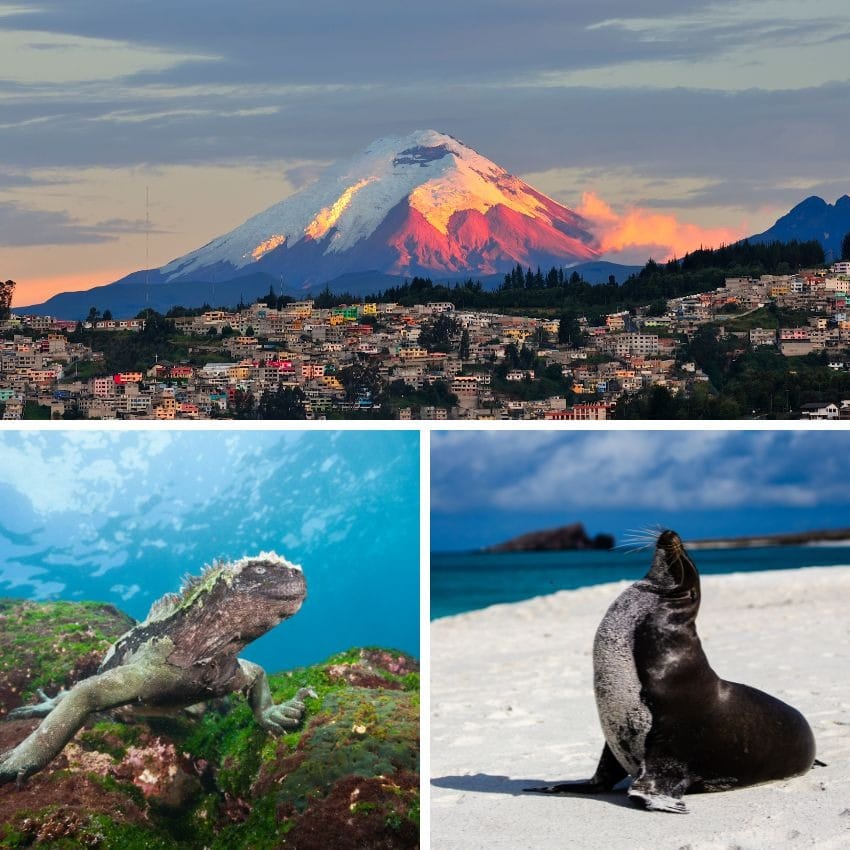
Few countries showcase biodiversity and conservation quite like Ecuador, making it a standout destination for eco-friendly luxury travel.
Despite its relatively small size, the country is home to an extraordinary range of ecosystems, from the wildlife-rich Galápagos Islands to the Amazon rainforest and the Andes' cloud forests.
Ecuador has taken a pioneering approach to environmental protection.
It was the first country in the world to recognize the “Rights of Nature” in its constitution, reinforcing a national commitment to protecting natural landscapes and biodiversity.
Much of the country’s tourism model focuses on responsible travel, with protected areas, national parks, and carefully managed visitor programs designed to preserve fragile ecosystems.
The Galápagos Islands, a UNESCO World Heritage Site located about 960 km off the mainland, remain one of the planet's most important biodiversity hotspots.
Strict visitor limits and conservation-led tourism help safeguard the islands’ unique wildlife, including giant tortoises, marine iguanas, sea lions, and blue-footed boobies.
This contributes directly to wildlife protection and sustainable development, helping preserve habitats for future generations.
Beyond the Galápagos, Ecuador offers remarkable eco-travel experiences.
You can explore the Amazon in protected reserves like Yasuní National Park, hike through Andean cloud forests, or stay in eco-lodges that support conservation and local communities.
If you love nature, wildlife, and responsible luxury, Ecuador offers a rare opportunity to experience some of the world’s most extraordinary ecosystems while supporting their protection.
5. Norway
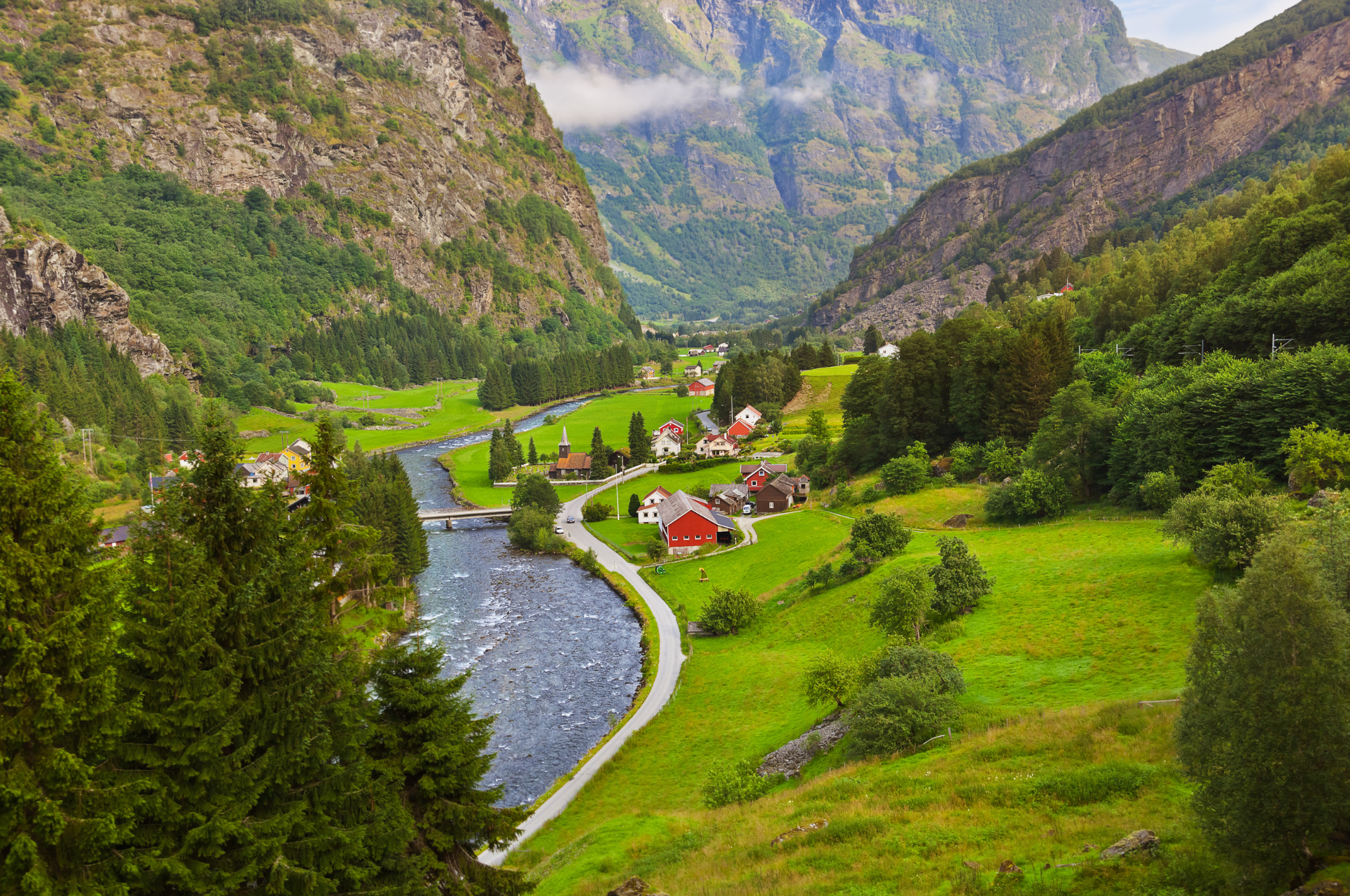
Norway is widely recognized as one of Europe’s leaders in sustainable tourism.
Protecting nature is deeply embedded in Norwegian culture, and the country has invested significantly in renewable energy, conservation, and responsible travel initiatives.
Much of Norway’s breathtaking landscape is protected through national parks and marine reserves, helping preserve fragile ecosystems and wildlife habitats.
You can explore towering fjords, glacier-carved valleys, and remote Arctic regions while experiencing tourism practices designed to minimize environmental impact.
In northern Norway, destinations like the Lyngen Alps offer spectacular opportunities to experience this commitment firsthand.
You will witness the Northern Lights, kayak through pristine fjords, hike alpine trails, and enjoy scenic mountain biking routes that wind through valleys framed by snow-capped peaks in summer.
During winter, you can chase the aurora or enjoy snowshoeing across untouched landscapes.
Norway is also pioneering low-impact tourism experiences.
Electric fjord cruises and eco-friendly whale-watching expeditions allow visitors to explore sensitive marine environments while reducing noise and emissions that can disturb wildlife.
Many properties prioritize sustainable practices, preserving native vegetation and minimizing their environmental impact through energy-efficient design and thoughtful land management.
Across the country, eco-conscious lodges and boutique stays are designed to blend into the landscape, often using energy-efficient architecture and locally sourced materials.
One remarkable wilderness lodge in the region sits on more than 200,000 square meters of protected land overlooking the Norwegian Sea.
6. Costa Rica
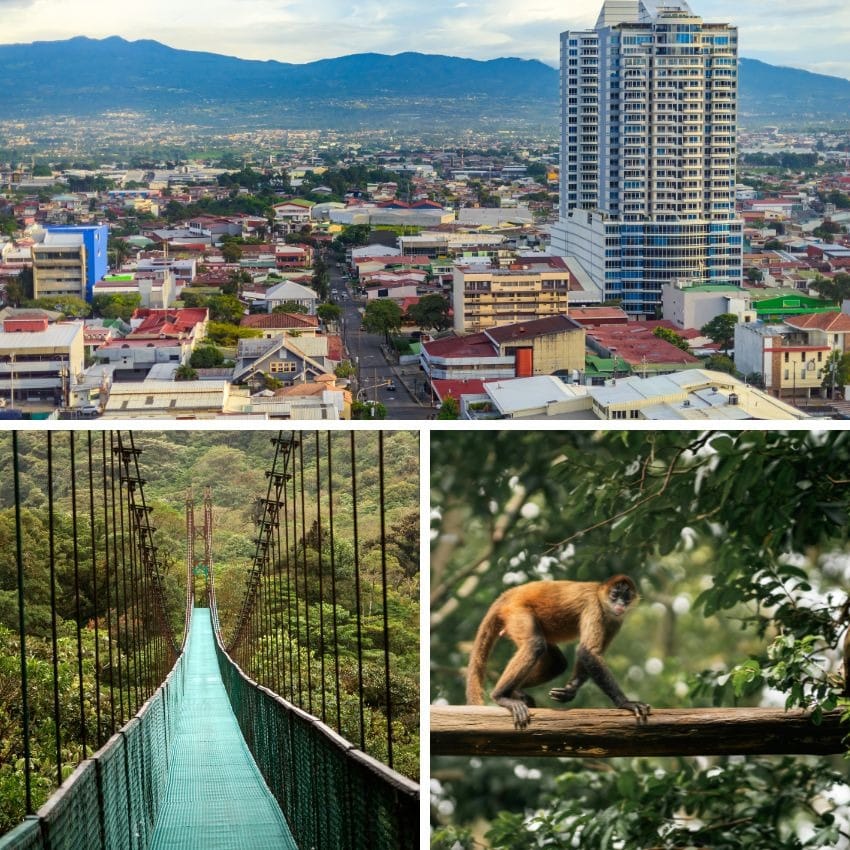
Costa Rica has made conservation a national priority.
Nearly half of the country’s land is protected through national parks, wildlife reserves, and conservation areas, creating safe habitats for countless species, from colorful tropical birds and tree frogs to monkeys and sea turtles.
This commitment has helped the country safeguard an astonishing 5% of the planet’s biodiversity, creating pristine environments for travelers to explore responsibly.
Destinations such as the Monteverde Cloud Forest showcase the country’s remarkable ecosystems, where misty forests, towering trees, and rare wildlife create unforgettable encounters with nature.
Across the country, eco-lodges and sustainable resorts embrace renewable energy, low-impact design, and conservation-focused tourism experiences.
Adventure and sustainability go hand in hand in Costa Rica.
You can hike along rainforest trails, zipline through the forest canopy, surf along pristine beaches, or join guided wildlife tours led by expert naturalists.
You may also like: Mexico, Costa Rica & Colombia: The Next Frontier for Luxury Home Exchange.
7. Barbados, Caribbean Islands
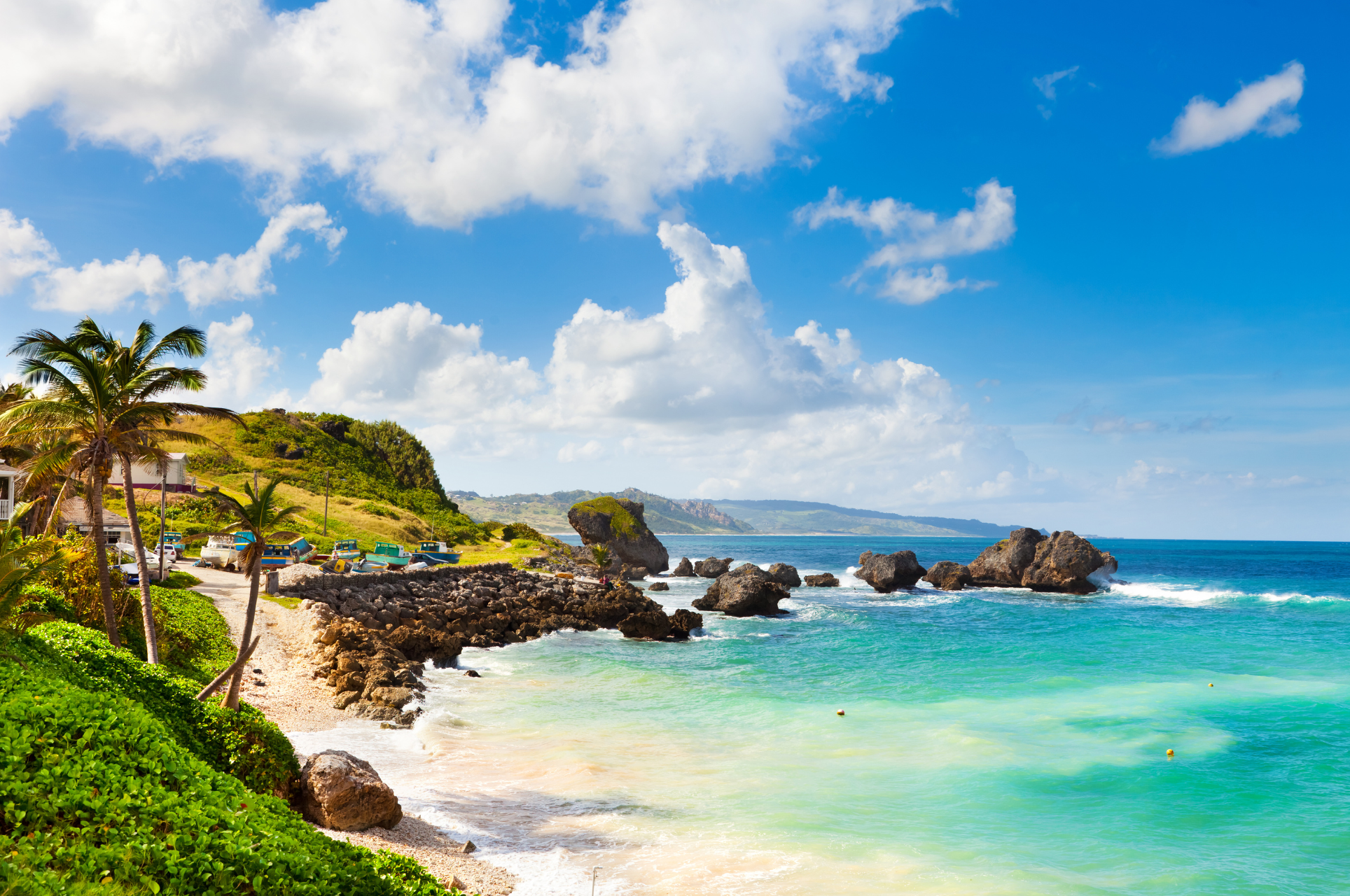
Sun-soaked beaches and turquoise waters make Barbados a Caribbean dream, but this vibrant island is also becoming a leader in sustainable tourism.
Facing the realities of climate change and powerful hurricanes, Barbados has committed to an ambitious transition to renewable energy, setting an inspiring example for island nations worldwide.
Tourism is the heartbeat of the island, and preserving local culture and heritage is central to its approach.
Visitors are welcomed with genuine Caribbean hospitality while being encouraged to support community-based tourism, from locally owned guesthouses to family-run restaurants celebrating traditional flavors.
Across the island, sustainability shows up in thoughtful ways, including eco-conscious lodges, farm-to-table dining, and restaurants sourcing local and organic ingredients rather than imported produce.
Organizations like the Caribbean Alliance for Sustainable Tourism further support these efforts, helping Barbados protect its natural beauty while creating meaningful experiences for travelers seeking a more responsible way to explore the Caribbean.
Learn more: What Cleanest Global Cities Are Perfect for Sustainable Luxury Home Exchanges.
How home exchange collection enhances sustainable luxury travel
As travelers become more conscious of their environmental impact, the desire for sustainable travel continues to grow.
Today’s travelers want meaningful experiences that respect the planet, support local communities, and still deliver exceptional comfort. This is where HomeExchange Collection offers a powerful alternative to traditional luxury hotels and large luxury resorts.
By allowing travelers to stay in carefully curated private homes around the world, the platform supports an eco-luxury model that aligns high-end comfort with responsible travel values.
Here’s how it supports more sustainable travel:
Reducing the environmental footprint of travel
One of the biggest sustainability advantages of home exchange is that it relies on existing homes rather than the construction and operation of large hotels and resorts, which consume substantial energy, water, and materials. By using residences already embedded in local communities, HomeExchange Collection significantly lowers the carbon footprint associated with accommodation and helps preserve surrounding natural environments.
As a certified B Corp, HomeExchange Collection also strengthens its sustainability impact by encouraging the use of lived-in homes rather than properties purchased solely for short-term rental income. This helps prevent the rise of “ghost neighborhoods” and supports healthier, more vibrant local communities.
Encouraging slow and immersive travel
Home exchange naturally encourages slow travel, a key principle of sustainable tourism. Instead of short hotel stays, travelers often spend longer periods in one destination, allowing them to fully explore the culture, nature, and rhythm of everyday life.
This slower pace reduces frequent transportation emissions and promotes deeper cultural understanding, an essential element of responsible tourism.
Supporting local communities and economies
When travelers stay in residential neighborhoods, they engage more directly with local communities. Guests shop at neighborhood markets, dine at local restaurants featuring locally sourced ingredients, and support independent businesses rather than large multinational hotel chains.
This approach strengthens local economies and spreads tourism benefits more evenly across destinations.
Promoting conscious living and shared values
Many homes within Collection embrace eco-friendly practices, such as energy-efficient appliances, reduced single-use plastics, and mindful waste management.
Beyond the physical homes, the platform fosters a community built on trust, hospitality, and shared respect for the environment.
Together, these principles make HomeExchange Collection a compelling way to experience luxury destinations while protecting the natural environment and supporting a more sustainable future for travelers and future generations.
Read also: Eco-Friendly Home Upgrades for Luxury Living: Sustainable Choices That Add Value.
Tips for being an eco-friendly traveler during your exchange
One of the most meaningful aspects of a home exchange is the shift from traveler to temporary local. Instead of the typical hotel mindset where resources feel unlimited, staying in a private residence encourages a more thoughtful, responsible way of living.
These simple habits can help ensure your stay reflects the values of sustainable travel while protecting the destination you came to enjoy.
Adopt an “owner’s mindset” toward energy
Treat the home’s resources with the same care you would your own. Turn off lights and climate control when leaving for the day, and use natural ventilation whenever possible.
Closing shutters during hot afternoons or opening windows during cooler evenings can reduce energy use while keeping the home comfortable. Small habits like these help lower the overall carbon footprint of your stay.
Embrace the “zero-kilometer” kitchen
One advantage of staying in a home is access to a kitchen.
Visit nearby farmers’ markets, bakeries, and neighborhood shops instead of relying on packaged convenience foods.
Cooking with locally sourced ingredients not only reduces waste and transportation emissions but also supports local communities and introduces you to regional flavors.
Choose slow and sustainable mobility
Many homes are located in walkable neighborhoods or scenic areas perfect for cycling. When possible, explore on foot or by bike to reduce emissions while discovering the destination's hidden corners.
If driving is necessary, look for homes with electric vehicle charging or use public transport options whenever available.
Respect the local ecosystem
Every destination has its own sustainability practices, from recycling systems to water-conservation measures. Following the home's manual carefully ensures you respect both the property and the surrounding natural environment.
A thoughtful guest leaves the home and the planet just as they found it.
Want more sustainable travel practices? Read: Sustainable Luxury Travel: Reduce Your Carbon Footprint with Stylish Home Exchange.
Takeaway: Experience a more meaningful, eco-friendly luxury travel via HomeExchange Collection
Sustainable luxury travel is about experiencing the world’s most beautiful destinations while helping protect them.
With HomeExchange Collection, you can stay in exceptional homes around the world instead of resource-intensive hotels, reducing tourism’s environmental impact while enjoying more authentic experiences.
Discover curated homes and start planning your next eco-luxury getaway with HomeExchange Collection.
FAQs
Here are answers to some common questions about eco-friendly luxury travel:
What is eco-luxury travel?
Eco-luxury travel combines high-end comfort with environmentally responsible practices. It focuses on destinations, accommodations, and experiences that minimize environmental impact, protect natural ecosystems, and support local communities.
This type of travel often includes eco-conscious accommodations, renewable energy, wildlife conservation initiatives, and cultural experiences that respect local traditions while offering the comfort and exclusivity that travelers expect from luxury travel.
Is eco-luxury travel more expensive?
Not necessarily. While some eco-luxury accommodations offer premium experiences, sustainable travel is often comparable to, or even more affordable than, traditional luxury tourism.
Options like HomeExchange Collection allow travelers to stay in beautiful homes rather than expensive resorts, reducing accommodation costs while still enjoying high-quality, comfortable spaces in desirable destinations.
How do I know if a destination is truly eco-friendly?
Look for destinations with clear commitments to eco tourism, such as protected natural areas, renewable energy initiatives, wildlife conservation programs, and strong support for local communities.
Responsible destinations also promote ethical wildlife experiences, sustainable accommodations, and policies that limit overtourism to protect the environment.
Which 5 countries are best for ecotourism?
Some of the world’s leading ecotourism destinations include Costa Rica, Bhutan, Norway, Ecuador (home to the Galápagos Islands), and New Zealand.
These countries are widely recognized for their conservation efforts, protected landscapes, and tourism initiatives designed to balance visitor experiences with environmental protection.
What sustainable activities can I do in these destinations?
Eco-friendly travel experiences can include wildlife observation, guided nature hikes, snorkeling in protected marine areas, forest bathing, cycling through nature reserves, and supporting community-led cultural tours. These activities allow travelers to connect with nature while minimizing environmental harm.
How is home exchange more eco-friendly than staying in hotels?
Home exchange is considered a more sustainable accommodation model because it uses existing homes rather than building new tourism infrastructure. This reduces energy consumption, water use, and construction-related environmental impacts.
Travelers also tend to stay longer, shop locally, and live more like residents, which helps support local economies and encourages more responsible travel habits.