Is Home Exchange Safe? How HomeExchange Collection Verifies Members Beyond Property Value
Wondering whether home exchange is safe for a high-value property? See how HomeExchange Collection verifies members, protects every stay, and lets you choose exactly who enters your home.


The question every prospective member asks, usually in the first five minutes, is some version of "is home exchange safe when my home is worth this much?" It is the right question. The answer lies not in the property itself but in how a community decides who gets to join it.
Here is what HomeExchange Collection actually verifies before anyone stays in your home, and why the model itself does most of the protecting.
Key takeaways
- HomeExchange Collection screens people, not just properties: identity, home standard, and community reputation are all verified before members can exchange.
- No one stays in your home without your explicit agreement. You review profiles, exchange messages, and choose every guest yourself.
- The reciprocity model aligns incentives. Your guests are hosts too, with homes of a comparable standard at stake.
- A guarantee layer backs the screening: damage protection up to $3,000,000 USD, deposits managed through the platform, and a 24/7 phone line in English, Spanish, and French.
Is Home Exchange Safe for Your Own Home?
Yes, when the network is built for it. HomeExchange Collection is the private luxury segment of HomeExchange, the world's largest home exchange network, trusted by 300,000 members globally and built on 30 years of experience. HomeExchange Collection verifies every member's identity and every home against strict criteria before members can connect, and no exchange happens without both owners agreeing to it. Damage protection up to $3,000,000 USD and 24/7 assistance stand behind every stay. Screening, consent, and guarantees work together, in that order. The same safeguards apply whether you arrange reciprocal exchanges or use GuestPoints to host and travel at different times.
That short answer deserves a longer one, because the anxiety behind the question is legitimate. You are not weighing a hotel reservation. You are considering letting strangers stay in the place where your family lives, among the art, the wine, the instruments, and the things that took decades to gather.
What follows is the reasoning behind Collection's screening, layer by layer. If you are new to the model itself, start with how luxury home exchange works. If you want the application steps, those are documented separately.
Read also: From Application to Approval: The 2026 Home Exchange Collection Verification Process Step by Step
Why Screening People Matters in a Home Exchange Community
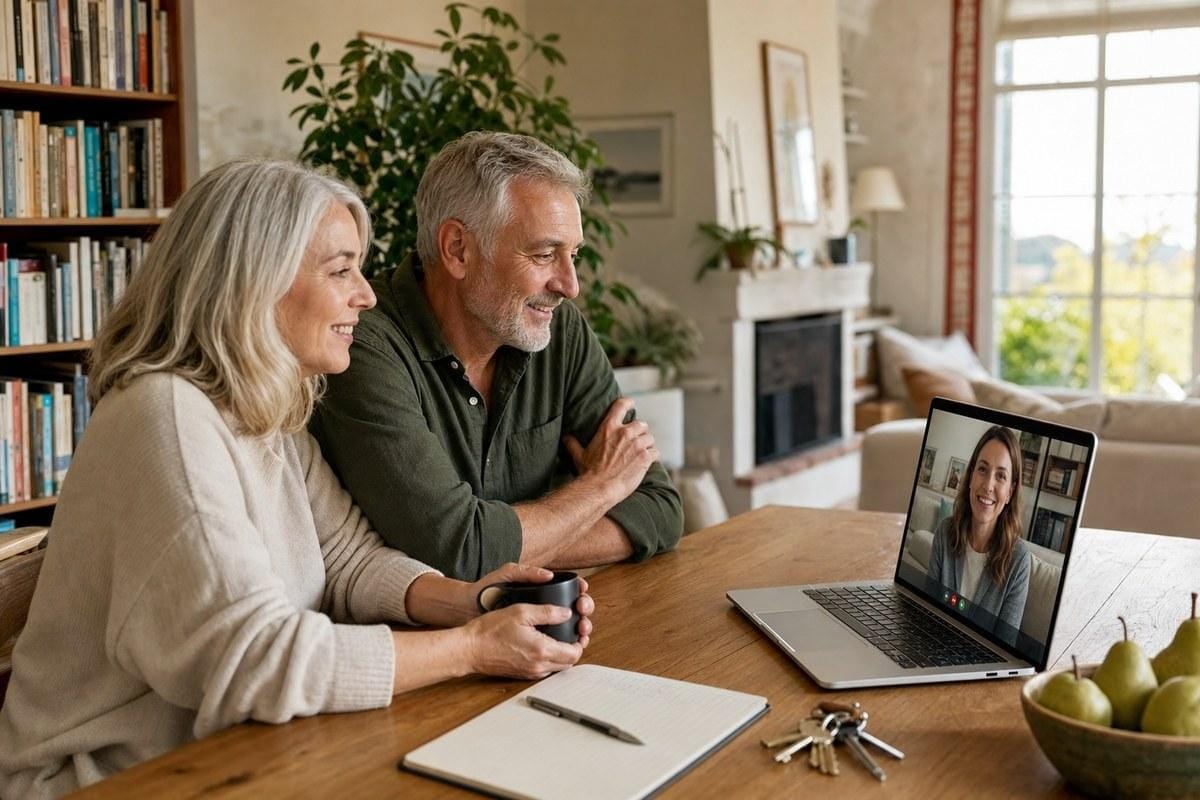
A home's value tells you what an owner has. It tells you nothing about how that owner treats someone else's home. That is why Collection's review looks past the appraisal figure to the signals that actually predict a good exchange: who you are, how you keep your home, and how you have behaved in the community.
Think about what a price threshold alone would admit. A high valuation can coexist with a neglected interior, an absentee owner, or someone who views the arrangement as a transaction to be extracted from rather than a relationship to be kept. None of those people make good guests, and none of them make good hosts.
So the screening question Collection asks is not "is this home expensive enough?" It is closer to "would our members be glad to stay here, and would we trust this person in our members' homes?" Both halves matter, because in a home exchange community every applicant is being evaluated as a guest and a host at once. That shared responsibility is the starting point for responsible exchanges and meaningful connections between hosts and guests.
That framing is the philosophy behind everything that follows.
What does HomeExchange Collection verify before you can exchange?
Collection verifies three things beyond the property's market value: the member's identity, the home's standard against strict criteria of quality, location, and amenities, and the member's standing in the community through reviews from past exchanges. Listings are reviewed by the Member Support team, and verification is required before members can connect at all.
Each layer answers a different question.
Identity: is this person who they say they are?
Every Collection member's identity is verified. This is the foundation the rest of the trust model stands on, because reviews, messages, and agreements mean little if the person behind the profile is unaccountable. Verification ties each profile to a real, reachable owner, which is precisely what an anonymous booking never gives you.
Home standard: does this home belong here?
Every home is reviewed against strict criteria of quality, desirable location, and amenities before it is accepted, with a decision typically within 72 hours. Accepted homes also receive professional photo enhancement, which serves accuracy as much as presentation: what you see in a Collection listing is meant to be what you walk into.
The standard is quality and care, not extravagance. Collection homes are lived-in homes, which is why the kitchens are genuinely stocked and the gardens genuinely tended. The owners are not furnishing a product. They are sharing the place they actually live.
Reputation: how has this member behaved?
After each exchange, hosts and guests review one another. Over time every profile carries a public record of how a member communicates, how they leave a home, and how they treat the people in it. When you consider a request, you are not reading a stranger's self-description. You are reading what other homeowners like you said after this person stayed in their home.
Mutual agreement: who decides who stays?
You do, always. There is no instant booking in a home exchange. Members exchange messages, often video call, and finalize an exchange only when both sides have agreed to the dates and the terms. If a profile, a conversation, or an instinct tells you no, the exchange simply does not happen. Screening gets people into the community; your judgment governs who crosses your threshold.
Why Do House Swaps With Other Homeowners Feel Safer Than Renting?
Because the incentives point the same way. In reciprocal exchanges, your guests are hosts too, with a verified home of comparable standard at stake and a reputation they need for every future exchange. A paying renter risks little by treating your home carelessly. A fellow member risks their standing in the community they joined to enjoy. Exchanging homes therefore begins with mutual respect and the expectation that each person will take care of someone else's home as carefully as their own place. That shared responsibility is why house swaps among verified homeowners are fundamentally different from letting strangers stay through an anonymous rental listing.
This is the structural difference that no amount of vetting can replicate on a rental platform. Renting puts two parties on opposite sides of a transaction. Swapping homes puts two homeowners in the same position: each is trusting the other with the thing they care about most, usually in the same season, sometimes in the same week. The platform gives both people access to profiles, reviews, photos, and written exchange details before they decide.
The results show up in the small things members mention again and again. Guests water the plants and feed the cat, because they asked about them on the video call, and because someone is doing the same at their place. HomeExchange even has filters for "plants to water" and "pets to feed", and those exchanges are sought after rather than avoided. This is not a pet-sitting service; any care for pets or plants is discussed and agreed as part of the exchange. Mutual respect is not an aspiration here. It is the operating condition of the entire arrangement.
There is a quieter benefit as well. Homes that are exchanged stay inhabited, aired, and cared for instead of sitting dark for most of the year. A house swap keeps a home alive in a way a lockbox never will, and it fills a neighborhood with neighbors rather than turnover.
That lived-in setting also helps travelers experience a destination like a local rather than as people staying in a hotel. They may use a family kitchen, follow local recommendations, and settle into a real neighborhood. Those positive experiences depend on the same respectful behavior that keeps the home safe: guests take care of the space, follow the host's instructions, and communicate if a question arises.
And when a straight swap does not fit both calendars, GuestPoints let you host now and travel later, so the reciprocity holds even when the dates do not align. This gives families more flexibility without changing who controls access to the home.
Read also: Reciprocal vs GuestPoints: Which Home Stay Model Fits You
Which Guarantees and Cancellation Policy Protections Stand Behind Screening?
Screening makes incidents rare. Guarantees make them recoverable. Collection membership includes property damage protection up to $3,000,000 USD, deposits managed through the platform rather than between members, theft compensation for hosts, and replacement accommodation compensation of up to $500 USD per night if an exchange falls through, with a 24/7 phone line in English, Spanish, and French. These protections are more relevant to a high-value house swap than generic advice about hotel costs, Airbnb fees, or travel insurance.
A few details worth knowing:
- Damage protection. Damages are guaranteed up to $3,000,000 USD, which is scaled to the homes in this network rather than to an average rental.
- Deposits without awkwardness. Deposits are handled through the platform. No money moves between members before an exchange, and nothing is charged unless there is an actual claim.
- If plans collapse. If a confirmed exchange is cancelled or the home does not match its description, Collection helps arrange an alternative and compensates up to $500 USD per night. Compensation starts at $350 per night and adjusts with the size of your group.
- Someone answers the phone. The 24/7 line is staffed in English, Spanish, and French, which matters at 2 a.m. in a foreign time zone.
In practice, the worst case scenario most members ever encounter is a scheduling change. But it is easier to extend trust when you know exactly what protects hosts if trust is ever misplaced. For a closer look at how the rare dispute actually gets resolved, the process is documented step by step.
Read also: What Happens if a Luxury Swap Goes Wrong: Inside Collection's Dispute Process
What Safety Tips Help You Choose the Right House Swap?
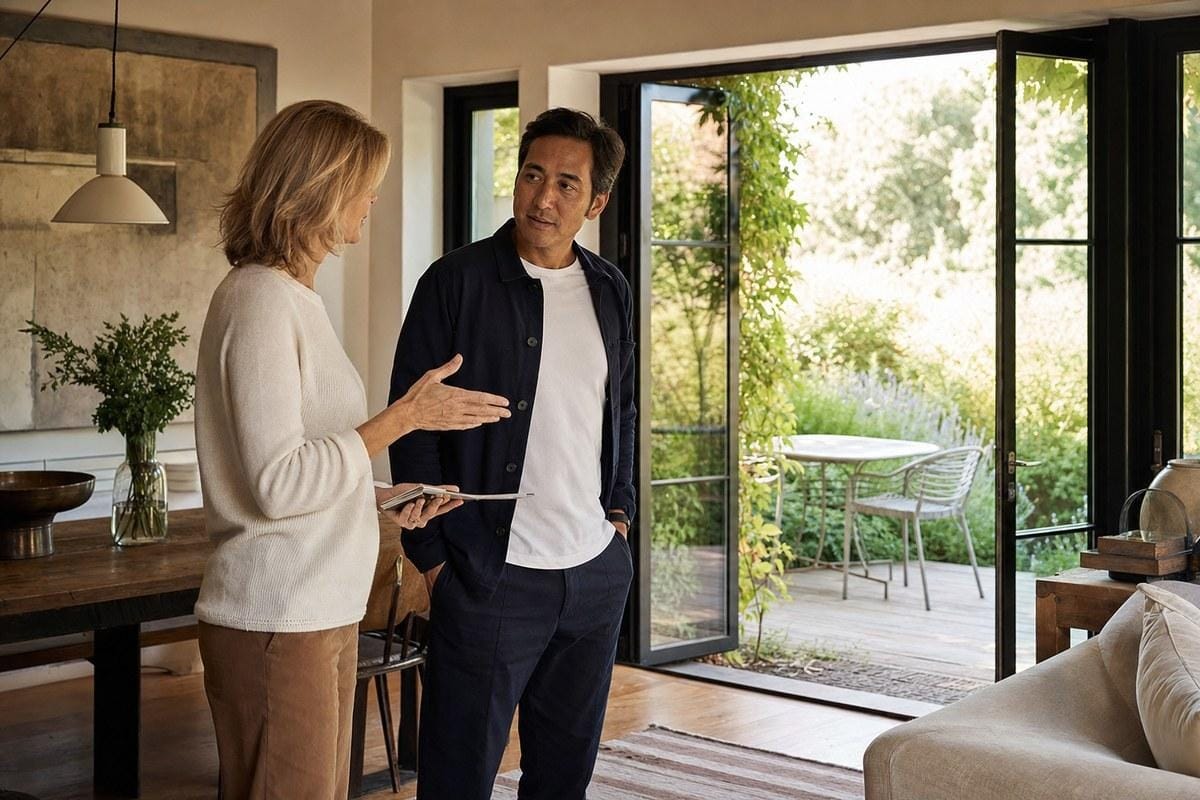
The platform screens the community; you still set your own terms. Good communication helps both sides decide whether a request is the right match and creates clear expectations before anyone arrives. These safety tips help new members move from an initial search to a confirmed house swap with confidence:
- Check the complete profile. Look at the member's identity status, house description, photos, location, amenities, and exchange history. A complete profile makes it easier to understand who will be staying in your space.
- Read several reviews. Reviews from both hosts and guests show how someone communicates, whether they follow house instructions, and how they leave the property. Pay attention to consistent feedback rather than relying on a single HomeExchange review.
- Discuss the practical details. Confirm dates, arrival plans, access, children, pets, cleaning expectations, and who to contact if something is broken. Clear details help prevent avoidable concerns during the stay.
- Keep planning on the platform. Written messages and the exchange agreement create a shared account of what both sides accepted. That record also gives Member Support the context needed to help if an issue occurs.
Experienced members also converge on the same short list:
- Read reviews the way you would read references. A member with a history of gracious hosting and careful guesting is showing you a pattern, not a promise.
- Have the video call. Fifteen minutes of conversation tells you more than any profile. Most future friendships in this community start exactly there.
- Write a house manual. The quirks of the espresso machine, the gardener's schedule, which drawer sticks. Clarity is a courtesy that protects both sides.
- Put away what is irreplaceable. Not because guests are a risk, but because peace of mind should not depend on anyone's behavior but your own.
- Agree on the details in writing. Dates, cars, pets, plants, cleaning. The exchange agreement exists so that nothing important lives only in memory.
For a first stay, take the time to compare the request with the member's profile, home photos, location, amenities, and recent reviews. Ask follow-up questions about anything unclear and communicate your own preferences directly. These simple checks help you find a trustworthy match, build confidence, and make the exchange feel secure before either family begins to travel.
The goal is not to eliminate every concern by collecting endless information. It is to create enough clarity for both hosts and guests to make a comfortable decision. If the dates, expectations, or conversation do not feel right, decline and wait for a better match.
Read also: Securing Your Home's Most Valuable Assets While Traveling
FAQ: is home exchange safe? Your questions answered
Is HomeExchange legitimate?
Yes. HomeExchange Collection verifies member identities and reviews each home before members can connect. Exchanges are confirmed through the platform, where profiles, reviews, written messages, deposits, guarantees, and Member Support create an accountable process rather than an anonymous arrangement.
Is HomeExchange like Airbnb?
No. Airbnb is a rental marketplace where guests pay hosts for accommodation. Home exchange is based on reciprocity: members share their own homes through reciprocal exchanges or GuestPoints, review one another, and mutually agree to every stay. Collection adds identity and home verification for its high-value network.
Is home exchange safe for high-value homes?
Yes. In a verified network like HomeExchange Collection, every member's identity is confirmed, every home is reviewed against strict quality criteria, and no exchange happens without both owners' agreement. Damage protection up to $3,000,000 USD and 24/7 assistance back every stay, and members' review histories keep the community accountable.
How does HomeExchange Collection verify homes?
The Member Support team reviews every listing against strict criteria of quality, desirable location, and amenities, typically responding within 72 hours. Verification is required before a member can connect with anyone. Accepted homes receive professional photo enhancement so listings reflect the home as it truly is.
What are the risks of a house exchange?
The main risks are cancellation, accidental property damage, theft, or a home not matching its description. Collection addresses those risks through verified identities and listings, mutual approval, reviews, managed deposits, damage and theft protection, replacement accommodation compensation, and 24/7 support. Members can further reduce risk through a video call, a written house manual, and clear exchange terms.
Can I choose who stays in my home?
Always. There is no instant booking in a home exchange. You review profiles and reviews, message the other member, video call if you wish, and finalize only when you are comfortable. Declining a request costs nothing and carries no penalty. Every guest in your home is someone you chose.
What if something gets damaged during an exchange?
Deposits are managed through the platform, so nothing is charged between members unless there is a claim, and property damage is guaranteed up to $3,000,000 USD. Hosts are also compensated for theft. Collection's support team mediates the rare dispute, and the process is documented in our dispute guide.
Do reciprocal exchanges require me to host while I travel?
Reciprocal exchanges involve both members hosting one another, either simultaneously or at different times. You are never required to accept a request; you choose every exchange and every date. GuestPoints offer another option: host when it suits you, then use the points for a later stay with a different member.
For anything not answered here, the HomeExchange Collection FAQ covers membership, GuestPoints, and exchange logistics in depth.
The safest home is a chosen guest's home
Strip away the specifics and the answer to "is home exchange safe" comes down to design. HomeExchange Collection verifies who people are, how they live, and how they have treated others' homes, then leaves the final decision where it belongs, with you. The person who eventually stays in your home will be a verified homeowner you selected, whose own home, often on another coast or continent, is being trusted to someone in return.
More than 10,000 luxury homes, owned by members across 93 countries, operate on exactly this arrangement, alongside 550,000+ homes in the wider HomeExchange community. The membership is $1,500 a year, and Collection guarantees your first exchange or your second year is free.
If your home would pass the screen, the screen is also working for you.