
Is Luxury Home Exchange Cheaper Than Owning a Second Home You Barely Use? The Real Math
In this article, we will explore whether a luxury home exchange is cheaper than owning a second home. We examine costs, benefits, risks, and real home utilization comparisons.

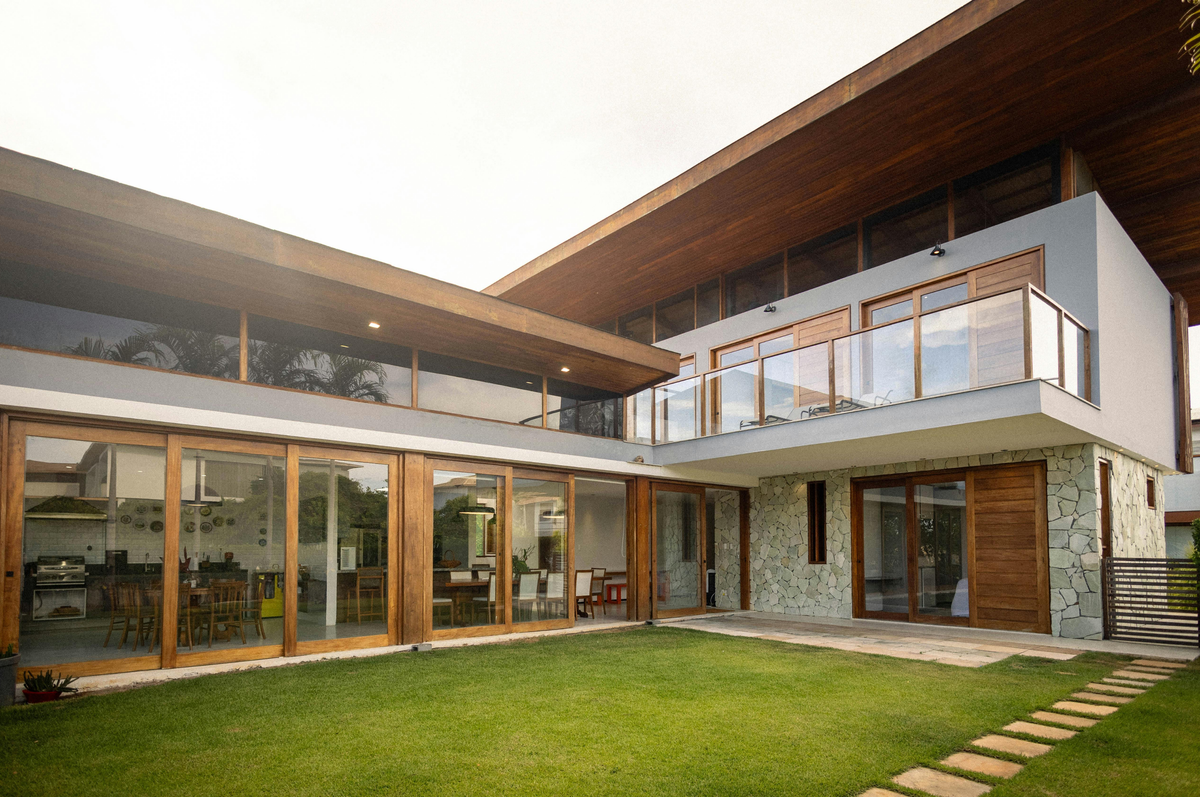
Luxury homeowners often dream of owning a vacation home that provides comfort, status, and meaningful travel experiences. Many buyers discover their luxury home sits empty most of the year, quietly increasing costs. This reality has encouraged homeowners to explore alternatives that prioritize flexibility, access, and lifestyle over ownership.
Travelers today seek authentic experiences that immerse them in local life, culture, and design. Staying in hotels or rented properties often limits interaction with local communities and access to luxury home amenities. Home exchanges offer a more personalized, experiential approach to vacation property use.
Luxury home exchange provides access to hundreds of thousands of exclusive homes worldwide without the need to purchase additional property.
In this article, we will explore whether a luxury home exchange is cheaper than owning a second home. We will examine costs, benefits, risks, and real home utilization comparisons.
How luxury home exchange works
Luxury home exchange allows verified homeowners to swap properties instead of paying nightly rates at hotels or renting luxury homes. Members list their own home and gain access to hundreds of thousands of exclusive homes worldwide.
Most platforms, such as our HomeExchange Collection, require an annual membership fee of $1,000 for unlimited swaps. Members can earn GuestPoints that can be used to book stays in other members’ homes. The number of points needed depends on the property, season, and size, ensuring fair value for all members.
Membership fees replace mortgages, property taxes, and insurance that a second home would require. Homeowners can allocate saved money toward travel experiences, family activities, or exploring multiple countries.
Participating in home exchanges maximizes property utilization, keeps homes occupied, enhances security, and prevents deterioration. Luxury homeowners can explore destinations they would not typically visit with a single vacation property.
You may also like: What Compelling Reasons Make Hosting Luxury Home Exchanges Rewarding?
Types of exchange models
Luxury home exchanges operate under several models tailored to varying travel preferences and availability. They include:
- Reciprocal (simultaneous) exchanges: This model involves two homeowners swapping homes simultaneously, providing simplicity and trust. It works best for co-owners with aligned travel schedules and destination preferences. Costs remain limited to membership and hosting preparation.
- Points-based non-simultaneous exchanges: In points-based exchanges, homeowners earn guest points that can be redeemed later. Members enjoy full access to hundreds of thousands of homes globally. Credits required vary based on property size, season, and location.
- Curated luxury collections: Curated collections restrict participation to homes meeting strict quality, location, and amenity standards. Members enjoy similar standards across properties and guaranteed premium amenities. This approach ensures consistent luxury experiences worldwide.
- Hybrid exchange systems: Hybrid systems combine reciprocal swaps with points-based access for enhanced flexibility. Members can plan direct swaps or utilize credits depending on availability. This model maximizes usability across multiple destinations.
Pros of luxury home exchange
Luxury home exchange offers compelling reasons for homeowners to prioritize access over traditional ownership. Benefits span financial, experiential, and lifestyle advantages. Below are the main pros.
Lower overall costs
Homeowners save money by avoiding mortgage, insurance, and property tax obligations. Per-stay fees and membership costs remain predictable. This offers substantial home exchange savings compared to a second home.
Savings can be redirected to travel, experiences, and family activities. Avoiding idle property costs improves financial efficiency. This makes luxury travel more affordable for multiple owners.
Access to diverse destinations
Luxury homeowners can explore multiple countries and destinations rather than returning to one vacation property. Travel options expand globally without purchasing additional homes. Home exchanges enhance lifestyle flexibility and cultural exposure.
Participants have full access to exclusive homes that are unavailable through traditional rental markets. Families experience local life, amenities, and authentic regional culture. Diversity enriches lifestyle and travel experiences.
Optimized property utilization
Home exchanges help ensure that properties remain occupied during periods when they would otherwise be vacant, which helps prevent the development of ghost neighborhoods and maintains community vitality. Co-ownership arrangements can further increase occupancy to over ninety percent annually. Maximized utilization prevents deterioration and maintains property value.
Regular occupancy contributes to security and community engagement. It transforms idle spaces into meaningful travel opportunities. Luxury home exchanges optimize lifestyle while reducing maintenance burdens.
Cultural enrichment and local life
Exchanges encourage slow travel, allowing family members to immerse themselves in local communities. Participants experience architecture, cuisine, and regional customs firsthand. This fosters broader perspectives, personal growth, and cultural appreciation.
Engaging in local life provides memorable experiences unavailable through hotels. Travelers gain exposure to authentic neighborhoods and traditions. Luxury exchanges support experiential value beyond financial considerations.
Community and social connections
Members often form lasting friendships and professional networks through repeated exchanges. Interacting with like-minded travelers reinforces trust and shared values. The platform fosters genuine connections and meaningful experiences.
Social benefits increase platform participation and enrich lifestyle value. Connections can provide travel advice and reciprocal hosting opportunities. Community forms a significant intangible advantage of home exchanges.
Cons of luxury home exchange
Despite advantages, a luxury home exchange requires flexibility and understanding of certain limitations. Potential drawbacks include:
- Availability constraints: Home exchange availability depends on other members’ homes and travel dates. Popular destinations may require booking well in advance. However, global platforms like the HomeExchange collection offer an unlimited selection, making it easy to find an ideal spot.
- No equity accumulation: Unlike a second home, a home exchange does not build financial equity. Members gain access to properties but forgo long-term appreciation. This tradeoff may not suit buyers seeking investment value.
- Reduced control: Homeowners must follow exchange program rules and hosting standards. Customization and spontaneous access are limited compared to ownership. Control over property remains partial rather than complete.
- Coordination and planning effort: Successful exchanges require careful scheduling and communication with other members. Misalignment can create travel complications or conflicts. Familiarity with the process and the use of reliable platforms like the HomeExchange Collection reduces friction over time.
What does owning a second home really involve?
Owning a second home requires significant financial commitment, maintenance, and long-term planning. Even luxury homeowners face challenges balancing lifestyle goals with cost and usage. Awareness of ongoing responsibilities is critical before making a purchase.
Homeownership provides control, permanence, and potential investment appreciation. However, the average vacation home is occupied for only 11% of the year. This low utilization results in higher maintenance costs for owners.
The real cost of owning a second home

Owning a second home involves multiple expense categories, each contributing to the total cost. High entry costs, ongoing maintenance, and financing create significant financial obligations. Here are key cost areas to consider:
Purchase and financing costs
Second-home buyers face high entry costs, with luxury properties often exceeding $2 million. Financing remains expensive, with mortgage rates averaging around 6.3 percent in 2026. Capital is tied up, limiting liquidity and alternative investments.
Property taxes and insurance
Owning a second home entails ongoing obligations, such as property taxes and homeowners' insurance. Annual costs often exceed one percent of property value. These fees continue even if the home remains unoccupied.
Regular insurance protects against unexpected damage, while taxes fund local services. Owners must budget for these recurring expenses in their financial plans.
Maintenance and upkeep
Maintenance includes repairs, landscaping, utilities, and cleaning, regardless of occupancy. The average second home is occupied for only eleven percent of the year. Owners still pay for maintenance,
Market risk and liquidity
Real estate values fluctuate, exposing owners to market risk. Selling luxury homes may take months, limiting liquidity. Market uncertainty affects affordability and investment outcomes.
Home exchanges provide access without ownership exposure. Buyers avoid market volatility while enjoying travel benefits. Ownership carries equity potential but also financial risk.
Pros of owning a second home
Owning a second home provides permanence, investment potential, and complete control over amenities. Luxury homeowners benefit from flexibility in scheduling, personalized design, and rental income opportunities. Below are the main advantages.
- Equity and appreciation: Real estate can appreciate over time, offering long-term wealth-building opportunities. Buyers gain potential returns and collateral for financing. This contrasts with home exchanges, which provide experience rather than equity.
- Guaranteed access: Ownership guarantees availability, allowing family members to plan holidays and retreats without restrictions. Homeowners can enjoy private amenities and tailored environments. Full access is assured regardless of season.
- Potential rental income: Owners can generate rental income to offset costs and obtain tax benefits. Luxury vacation properties often attract high-paying renters. Revenue contributes to mortgage payments, taxes, and maintenance.
- Control and customization: Homeowners decide design, furniture, and renovation priorities. Personalized spaces enhance comfort and lifestyle. This level of control exceeds what home exchanges typically allow.
- Lifestyle fulfillment: Owning a second home can support family traditions and long-term vacation planning. Homes provide privacy and consistent retreat options. Lifestyle advantages are particularly meaningful for frequent travelers.
- Opportunity for home swaps: Owners can participate in curated home exchange programs, turning their second home into a gateway for new experiences. This provides access to unique destinations, cultural immersion, and travel flexibility—all while leveraging a property they already own.
Cons of owning a second home
Ownership entails ongoing expenses, management responsibilities, and limited utilization. Costs can accumulate even when homes remain empty. Understanding these drawbacks is critical.
- High financial commitment: Luxury homes require substantial capital for purchase and financing. Combined with taxes, insurance, and maintenance, costs mount quickly. Entry barriers restrict access to affluent buyers.
- Low utilization: Most vacation homes are occupied a fraction of the year, averaging eleven percent. Idle periods reduce cost efficiency and return on investment. Owners often charge more per night than alternatives.
- Maintenance burden: Cleaning, repairs, and seasonal upkeep demand time and money. Unoccupied properties require proactive attention to prevent deterioration. These responsibilities can become stressful for busy homeowners.
- Market risk: Real estate values fluctuate with local and global market conditions. Luxury properties may take longer to sell in downturns. Liquidity is limited compared to cash or exchange alternatives.
- Operational complexity: Scheduling family visits, managing renters, and coordinating services adds complexity.
Luxury home exchange vs owning a second home: side-by-side comparison
Takeaway: Access exclusive luxury homes through home exchange
Luxury home exchange provides compelling reasons for homeowners to prioritize experience over ownership. Members enjoy full access to hundreds of thousands of verified homes globally. This model maximizes property usage and reduces financial burden simultaneously.
Compared with owning a second home, exchange eliminates mortgage, taxes, insurance, and maintenance obligations. Home exchange savings allow homeowners to explore destinations previously inaccessible with a single property. Family members enjoy authentic local life experiences and diverse travel options.
Check out HomeExchange Collection to discover exclusive homes and explore hundreds of thousands of destinations worldwide. You can book stays and travel the world without purchasing additional properties.
FAQs
The following answers provide clarity and transition into key lifestyle and financial implications.
Is owning a vacation home still worth it?
Owning a second home provides guaranteed access, control, and potential long-term real estate appreciation. Rental income may offset ongoing expenses and provide tax benefits. However, low occupancy and high costs often reduce cost efficiency.
What is the cost of using home exchange?
A luxury home exchange typically requires an annual membership fee of around $1,000. This predictable cost is often much lower than owning a second or third home. Members can enjoy access to a wide variety of exchange homes worldwide.
What are the risks involved in a home swap?
Home exchanges require flexibility because availability depends on other members’ homes and schedules. Scheduling conflicts or limited availability can affect preferred travel dates. Proper planning and communication reduce risk while enhancing travel experiences. Successful swaps depend on mutual respect between members.