
What Cleanest Global Cities Are Perfect for Sustainable Luxury Home Exchanges
Discover how the world’s cleanest cities make sustainable luxury home exchanges a reality. Explore eco-friendly urban hubs where comfort, culture and responsible travel coexist.


Home exchanges promote sustainability by making better use of existing resources and encouraging mindful travel habits. Instead of building or maintaining large hotels that consume high amounts of water and energy, home swapping allows travelers to stay in already lived-in homes, reducing the demand for new infrastructure and excessive energy use.
Many travelers today prioritize sustainable home exchanges that combine luxury, culture, and eco-friendly practices. Choosing destinations with low environmental impact supports nature and preserves the planet's resources.
These cities encourage community engagement, recycling, and practical solutions that reduce environmental impact while maintaining a comfortable lifestyle. You can implement eco-friendly practices in kitchens, bathrooms, and living spaces while enjoying a warm, comfortable household.
In this post, we’ll discuss nine of the best green cities for home swaps worldwide. We will also explore the benefits of sustainable luxury travel in these cities.
1. Copenhagen, Denmark
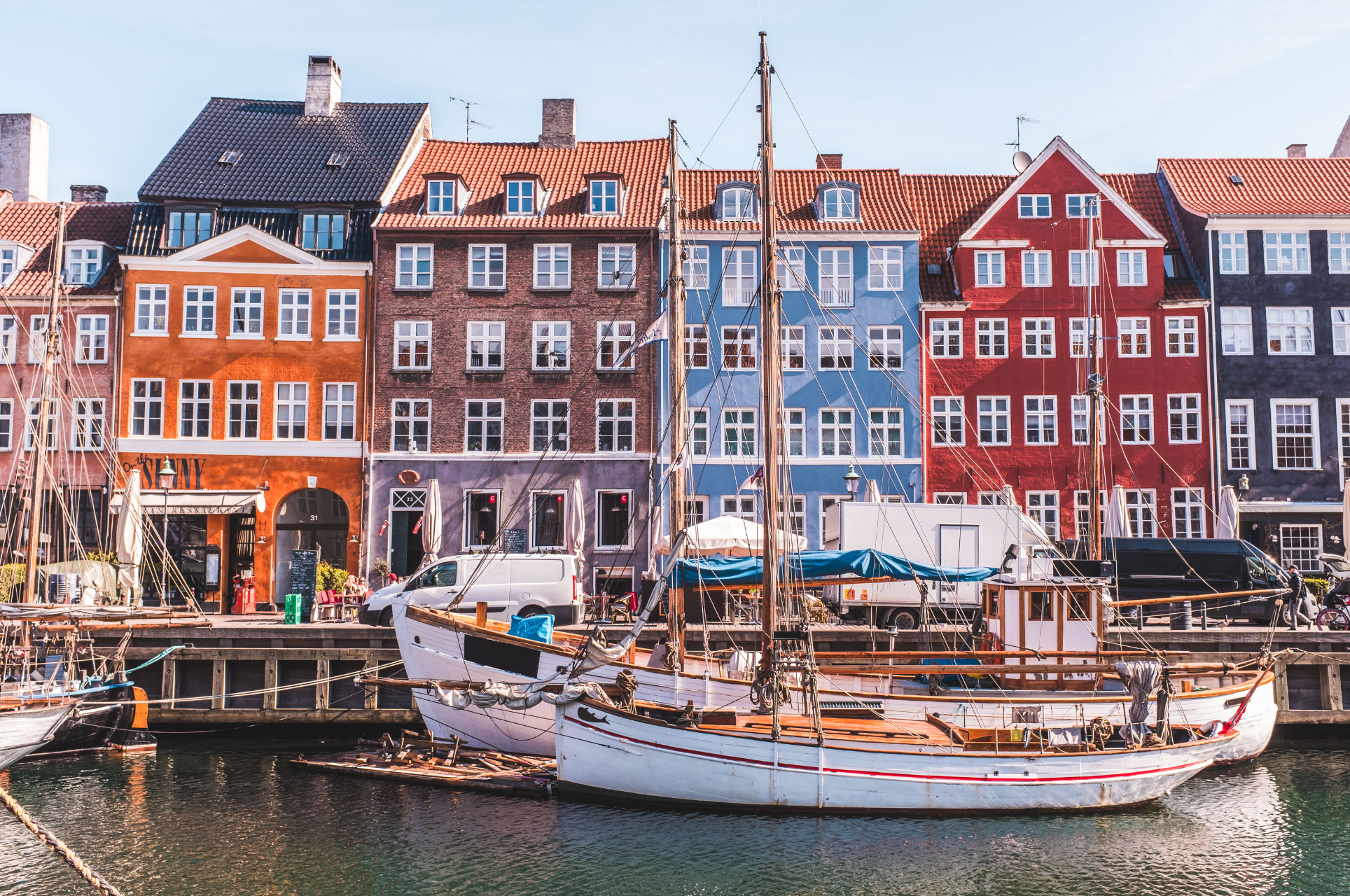
Copenhagen ranks among the cleanest cities in the world, offering green spaces, energy-efficient homes, and sustainable swaps.
The city’s commitment to sustainability includes recycling containers, green transportation, and community programs promoting responsible lifestyle habits. You can store food in reusable containers, wash them with eco-friendly soap, and help preserve trees.
2. Singapore

Singapore is among the cleanest urban areas for green luxury vacation swaps, emphasizing sustainable swaps and energy-efficient living. You can follow eco-friendly tips for bathrooms, kitchens, and household habits to reduce plastic and wrapping waste.
Community programs encourage recycling, responsible water use, and sustainable travel. The city offers whole-house energy-efficient homes with sustainable swaps, comfortable living, and manageable daily routines.
3. Zurich, Switzerland

Zurich’s green infrastructure and eco-friendly homes make it ideal for luxury eco swaps and sustainable swaps. Environment lovers can minimize waste, use glass containers, reduce plastic bags, and preserve trees.
The houses feature energy-efficient appliances that provide comfort while protecting the environment and maintaining manageable household routines.
Recycling programs, sustainable transportation, and community efforts promote responsible habits and reduce negative impact.
4. Melbourne, Australia
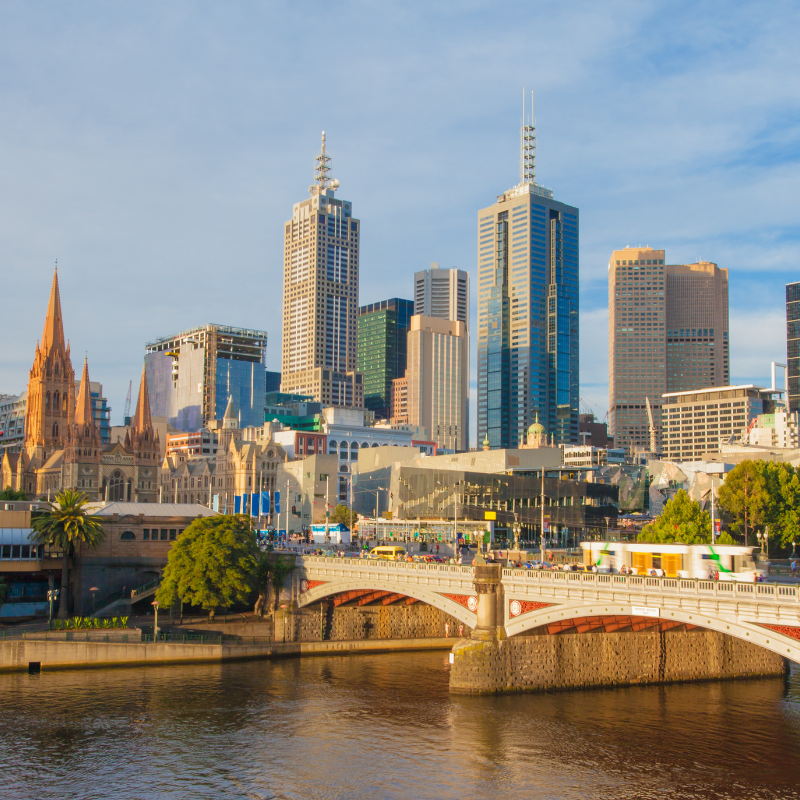
Melbourne blends sustainable luxury travel cities with a creative lifestyle, featuring rooftop gardens and energy-efficient homes. Most house eco-friendly designs help reduce plastic bottle and bag waste and household waste while preserving trees and nature.
You can enjoy vibrant green public spaces, live sustainably in modern apartments, and explore urban forests responsibly. Restaurants and bars follow eco-friendly practices by reducing single-use plastics, using compostable containers, and sourcing local produce.
5. Vancouver, Canada
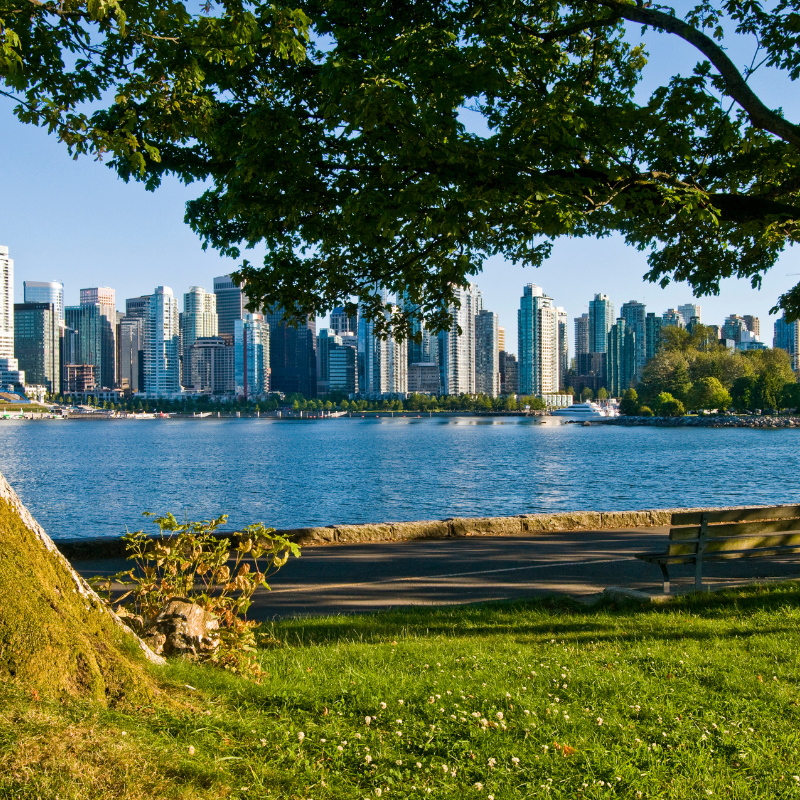
Vancouver stands out among the world's cleanest cities for its waterfront parks, energy-efficient homes, and sustainable swaps. Guests can reduce negative impact by using whole-house eco-friendly systems, minimizing plastic waste, and recycling thoughtfully.
The city integrates innovative green building trends, solar panels, and low-energy lighting to preserve the environment and lifestyle comfort.
Vancouver emphasizes access to nature, allowing residents to live near forests, lakes, and wildlife while maintaining eco-friendly habits.
6. Stockholm, Sweden
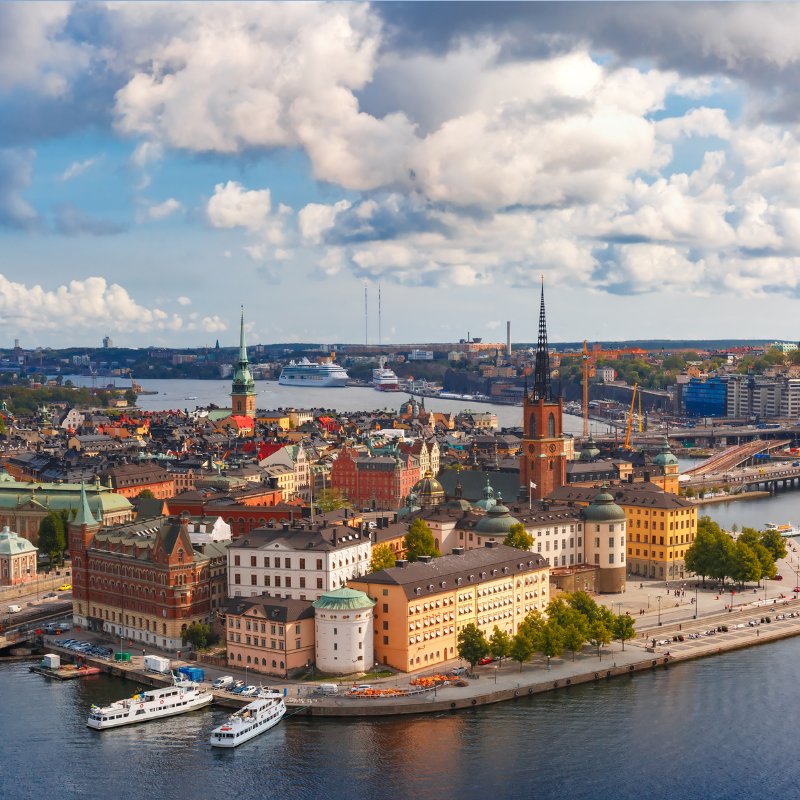
Stockholm is a global leader in clean-air home exchanges, known for waterfront views, energy-efficient homes, and sustainable swaps. Whole-house designs minimize household waste, reduce the use of plastic bottles, bags, and toilet paper, and preserve the surrounding environment.
The city encourages cycling and electric public transportation as a more eco-friendly way to explore its neighborhoods. Luxury eco swaps in Stockholm integrate solar-heated water systems, efficient insulation, and sustainable materials.
7. Vienna, Austria
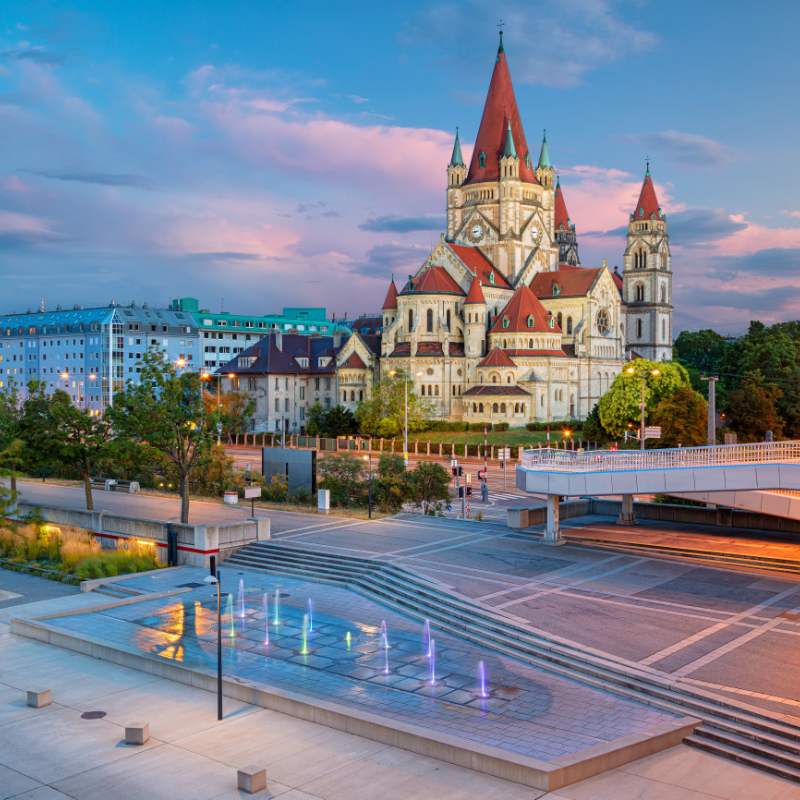
Vienna offers historic, energy-efficient homes and sustainable luxury travel opportunities. Visitors enjoy eco-friendly heating systems, solar panels, and locally sourced household products that preserve nature and planet resources.
Vienna promotes green urban planning, such as pedestrian zones, rooftop gardens, and sustainable transportation infrastructure. You can store food responsibly, reduce wrapping, and wash with eco-friendly soap while enjoying manageable, warm stays.
Read also: 7 Iconic Global Attractions Accessible Through Luxury Home Exchanges.
8. Tokyo, Japan
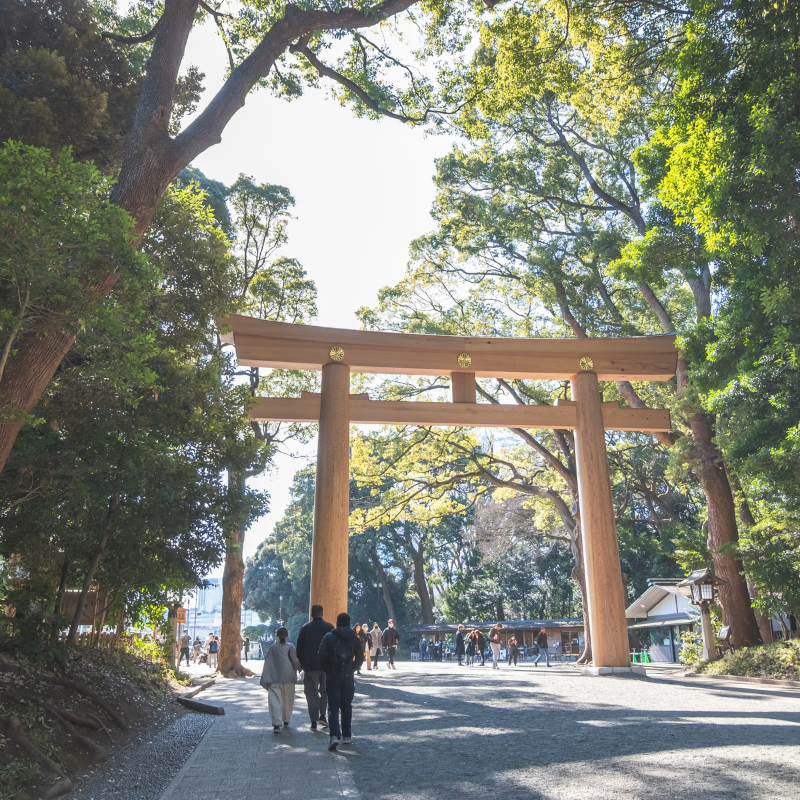
Tokyo stands out among the world's top eco-friendly cities, ideal for luxury swaps, thanks to its innovative technology and energy-efficient homes. Most household systems reduce plastic bottle and bag waste while maximizing water conservation and recycling. The city’s integration of green rooftops, vertical gardens, and solar-powered buildings supports sustainable swaps in a responsible way.
You can enjoy culturally immersive experiences, practice eco-friendly habits in the kitchen and bathroom, and follow tips for sustainable transportation. Tokyo’s lifestyle combines efficiency, warm household environments, and planet preservation, providing a more eco-friendly way to explore urban life.
9. Oslo, Norway

Oslo ranks among the cleanest cities in the world with fjord views, energy-efficient homes, and sustainable swaps. Guests can reduce the negative impact by using whole-house eco-friendly systems, conserving water, and minimizing the use of plastic bottles and bags.
Oslo integrates green energy solutions, low-waste construction, and environmentally responsible infrastructure to sustain the planet's resources. The city encourages nature immersion, including forested parks, tree-lined streets, and eco-conscious lifestyle habits.
See also: Where to Find Premium Home Swaps in the World's Best Places to Live.
Benefits of sustainable luxury home exchanges
Sustainable home exchanges allow guests to enjoy warm, manageable, and eco-friendly stays while protecting nature and planet resources. They offer multiple benefits, including:
Reduction in environmental impact
Home exchanges significantly lower the environmental footprint of travel by maximizing the use of existing housing instead of relying on energy-intensive hotels or resorts.
Hotels often consume large amounts of electricity for lighting, heating, cooling, and laundry, and produce more waste through single-use toiletries and daily cleaning. By swapping homes, travelers share what already exists—reducing the demand for new construction, energy use, and material consumption.
Home exchanges also promote mindful, low-impact living. You can adopt local habits, such as shopping from nearby farmers’ markets, using public transportation or bikes, and preparing meals at home. These simple changes help cut carbon emissions and minimize waste compared to frequent restaurant dining or short-stay travel. In essence, home swapping supports a circular, resource-efficient travel model where comfort and sustainability coexist.
You may also like: Eco-Friendly Home Upgrades for Luxury Living: Sustainable Choices That Add Value.
Financial advantage
Sustainable luxury home exchanges also provide significant financial benefits for travelers. Instead of paying high hotel or resort fees, guests simply exchange homes, allowing both parties to enjoy premium accommodation at little to no cost. This makes it possible to experience upscale living in desirable destinations while keeping expenses low.
Platforms like HomeExchange Collection make this process even easier and more rewarding. Members gain access to an exclusive network of verified luxury homes worldwide for just $1,000 per year, ensuring comfort, quality, and trust throughout each stay.
With HomeExchange Collection, members can also exchange homes using GuestPoints, which expands travel options while helping maintain manageable budgets.
Because you’re staying in a fully equipped home, you can also save on daily expenses like dining out, laundry, and transport. Having access to a kitchen allows for home-cooked meals using fresh, local produce, a choice that’s not only economical but also environmentally friendly.
Extended stays become more affordable, too, encouraging slower travel that reduces flight frequency and the associated carbon footprint.
Energy conservation and resource-efficient routines also help reduce utility and consumable expenses during the exchange. You can adopt reusable storage, shorter shower routines, and eco-conscious household practices to maintain mindful consumption.
Healthier, eco-friendly home lifestyle
Sustainable luxury home exchanges encourage travelers to adopt healthier and more environmentally conscious living habits. Staying in a real home rather than a hotel gives guests the freedom to cook nutritious meals with fresh, locally sourced ingredients, avoid processed foods, and reduce packaging waste.
You can control what you eat, how you store your food, and the kinds of products you use in your kitchen and bathroom.
Home exchanging helps prevent “ghost neighborhoods” where homes sit empty or are purchased solely for short-term profit by ensuring each home remains lived-in and connected to its local community.
HomeExchange Collection promotes this approach as part of a broader commitment to sustainability. As a sustainable travel platform and certified B Corp, it supports responsible tourism that benefits both people and the planet.
Many homes on platforms like HomeExchange Collection are designed with sustainability in mind, featuring energy-efficient appliances, natural ventilation, and eco-friendly materials. These details reduce indoor pollution, conserve resources, and create a cleaner, more balanced environment.
Community engagement
Sustainable home exchanges promote meaningful cultural connections by encouraging guests to engage with local communities and eco-conscious services. Travelers can explore neighborhood markets, support sustainable producers, and learn from everyday community habits.
Members of HomeExchange Collection can access exclusive offers that enrich the experience and foster deeper cultural ties.
For example:
- The Babysitting Company offers professional, vetted childcare support so families can confidently participate in local activities.
- VAWAA (Vacation With An Artist) enables immersive, artist-led learning experiences that connect travelers with local creativity and heritage.
You may also join sustainability events, community workshops, or neighborhood-led preservation efforts. These interactions support environmental stewardship while nurturing human connection.
Educational opportunities
Sustainable home exchanges allow guests to explore eco-friendly living through real, lived experience rather than theory. Many hosts share guidance on using energy-efficient appliances, sustainable cleaning swaps, and responsible household habits.
Through HomeExchange Collection’s Context Travel, you can also join expert-led cultural and environmental learning experiences that deepen your awareness of the local community and ecosystem.
Education extends to water-conservation practices, low-waste bathroom choices, and eco-friendly kitchen storage options. You learn how thoughtful daily habits can significantly reduce the use of plastic bottles, bags, and other disposable materials.
These hands-on experiences create meaningful growth in environmental awareness, cultural appreciation, and personal lifestyle values. Guests return home with practical skills they can integrate into everyday life.
Takeaway: Experience luxury in the cleanest cities in the world
Sustainable home exchanges provide comfort, green practices, and responsible travel in the cleanest urban areas worldwide. You can follow practical tips, reduce your use of plastic bottles and bags, and help preserve trees during every stay.
Luxury eco swaps integrate energy-efficient homes, whole-house solutions, and lifestyle improvement for manageable, warm experiences.
Sustainable swaps reduce environmental impact, promote recycling, and preserve resources while maintaining culture, comfort, and manageable household habits.
You can implement eco-friendly tips, save money, and follow responsible practices for bathrooms, kitchens, and daily routines. These advantages make sustainable home exchanges an effective solution for eco-friendly lifestyle travel.
Discover the best green cities for home swaps by visiting HomeExchange Collection. This service offers whole-house energy-efficient homes, luxury eco swaps, and practical solutions for sustainable swaps worldwide.
Plan your next stay in a global clean-air home exchange while responsibly preserving the planet, culture, and lifestyle!
FAQs
Here are the answers to some common questions about sustainable luxury home exchanges;
How can I find sustainable luxury homes for exchange?
You can find sustainable luxury homes through dedicated home exchange platforms, like HomeExchange Collection, which offers verified high-end homes worldwide. Look for listings that highlight energy-efficient appliances, water-saving features, eco-friendly materials, and access to local amenities.
When searching, consider:
- Homes in neighborhoods that encourage walking, biking, or public transit.
- Longer stays that support “slow travel” and reduce carbon emissions.
- Hosts who provide guidance on sustainable practices (recycling, reusable products, local shopping).
Filtering for “luxury” or “eco-friendly” options and reading reviews can help you find homes that combine comfort, style, and sustainability.
Are sustainable home exchanges more expensive than regular ones?
Sustainable swaps often save money by reducing utilities, household waste, and plastic use. Luxury eco swaps may require membership but offer financial advantages, practical solutions, and manageable routines. You can enjoy comfort, lifestyle improvements, and eco-friendly habits while preserving the planet's resources.
How do I ensure the home meets eco-friendly standards?
Verify whole-house energy efficiency, water-saving fixtures, and eco-friendly appliances.
Alternatively, use websites like HomeExchange Collection, which often provide verified information about a home’s sustainability features. You can also ask hosts directly about their eco-friendly practices and any green certifications. Reading reviews from previous guests can help confirm how the home supports sustainable living.
What are practical tips for reducing my environmental impact during a swap?
Use reusable containers, conserve water, minimize plastic bottles, bags, and wrapping. Wash with eco-friendly soap, store food responsibly, and reduce household waste. Implementing these habits supports manageable, comfortable, and sustainable home exchanges in the world's cleanest cities.